Every marketing director in the UAE eventually asks the same question before approving a content budget: does search optimization actually pay for itself? The honest answer requires a number, not a feeling, and that number is SEO ROI. Calculating SEO ROI turns a vague hope of “more traffic” into a business case a finance team can actually evaluate. This guide walks through what SEO ROI measures, how to calculate it with a straightforward formula, and what genuinely moves the number up or down. By the end, you will have a repeatable way to answer is SEO worth it for your specific business, not just the industry average.
What Is SEO ROI and Why It Matters for UAE Businesses
SEO ROI is the return a business generates from organic search relative to what it spends getting there: content production, technical fixes, link building, and the internal or agency time behind all of it. Unlike a paid search dashboard, organic search does not hand you a cost-per-conversion figure automatically; you have to build it yourself. That gap is exactly why so many businesses in Dubai and Abu Dhabi either overestimate what SEO will deliver in month one, or abandon the channel before the calculation has had time to reflect reality. Getting a clear read on SEO return on investment fixes both problems: it sets realistic expectations at the outset, and it gives you a defensible number for budget conversations six or twelve months later.
Is SEO Worth It? What the Data Shows
Is SEO worth it? For most businesses with an established product and an audience that researches purchases online, the answer is yes though the size of the payoff depends heavily on execution. Recent industry benchmark research puts the median SEO ROI at roughly 748%, meaning businesses recover their investment and generate close to seven times that amount in additional value.
Returns vary widely by sector: real estate and financial services report figures well above 1,000%, while more competitive or lower-margin categories tend to land closer to 200–300%. Organic search also converts differently than outbound marketing leads that arrive through search close at around 14.6%, compared with roughly 1.7% for cold outbound efforts a gap that matters when you are calculating SEO return on investment rather than just counting clicks.
None of this means SEO is automatically worth it for every business. A company with a short sales cycle, minimal search demand for its category, or no capacity to produce content consistently may find paid channels deliver value faster. But for businesses with recurring demand and the patience to invest for two or more quarters, the data consistently favors organic search over most alternatives.
How to Calculate SEO ROI (Formula + Example)
The SEO ROI Formula
Calculating SEO ROI does not require specialized software. The core formula is:
SEO ROI = (Value of Organic Traffic − Cost of SEO) ÷ Cost of SEO × 100
“Value of organic traffic” is typically estimated one of two ways: using the equivalent cost-per-click you would otherwise pay to buy that same traffic through paid search, or the actual revenue those visitors generate once conversion tracking is in place. The first method is a useful starting point when analytics attribution is still limited; the second is the more accurate figure to report once it is available.
A Worked Example for a UAE Business
A boutique professional-services firm in Dubai ranks for a keyword cluster generating 2,000 monthly organic visits, with an average cost-per-click in that industry of roughly AED 15. Buying that same volume of traffic through paid search would cost approximately AED 30,000 per month. If the firm invests AED 8,000 per month in SEO, the SEO return on investment works out as follows:
(30,000 − 8,000) ÷ 8,000 × 100 = 275%
That figure is a proxy based on traffic value, not a substitute for real conversion and revenue data but it is a practical starting point for any business that does not yet have full attribution in place, and it can be refined into a revenue-based number once lead and sales data are layered in.
How Long Does It Take to See SEO ROI?
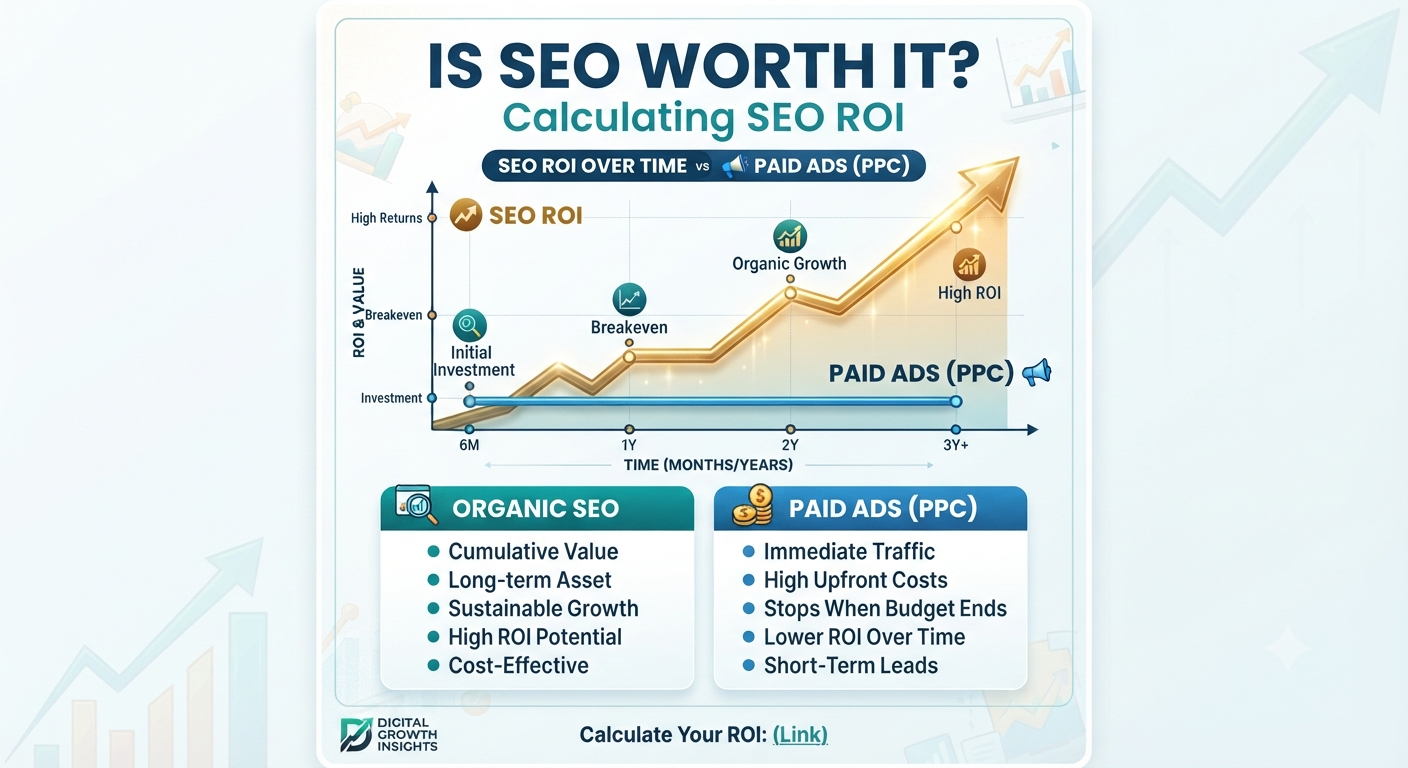
Most businesses do not see meaningful SEO ROI in the first month, and that is normal, not a sign the strategy has failed. Campaign timelines generally fall into three phases: a foundational period in months one to three, where technical fixes and early content go live with limited visible impact; a growth period from months four to twelve, where rankings and traffic start compounding; and an accelerating phase beyond twelve months, where the same content keeps generating returns with little additional spend.
B2B and SaaS companies specifically tend to reach breakeven around month seven, while more competitive local categories in the UAE market may take slightly longer given the density of established agencies and franchises already ranking for the same terms.
Factors That Influence SEO ROI
Not every business achieves the same SEO ROI, and the gap usually comes down to a handful of controllable factors.
Industry and Competition
Some categories inherently deliver stronger SEO return on investment than others. Real estate, financial services, legal, and healthcare tend to report the highest figures, largely because the value of a single converted lead is high enough to justify sustained investment. E-commerce and hospitality, which see high traffic volume but lower value per visit, often need a longer runway before the numbers look as dramatic.
Technical SEO Health
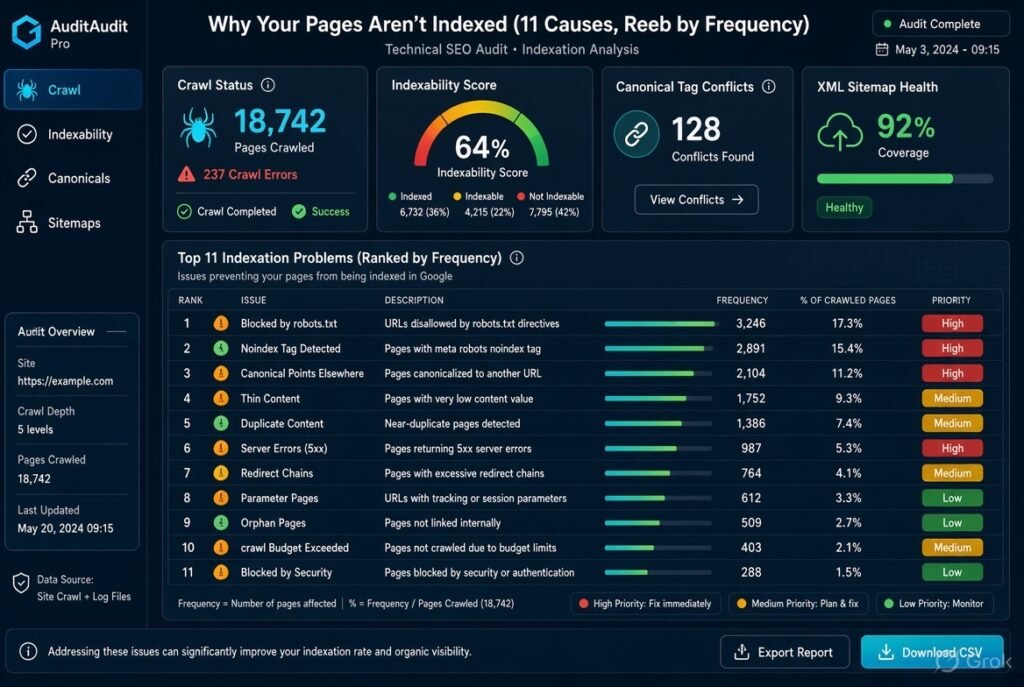
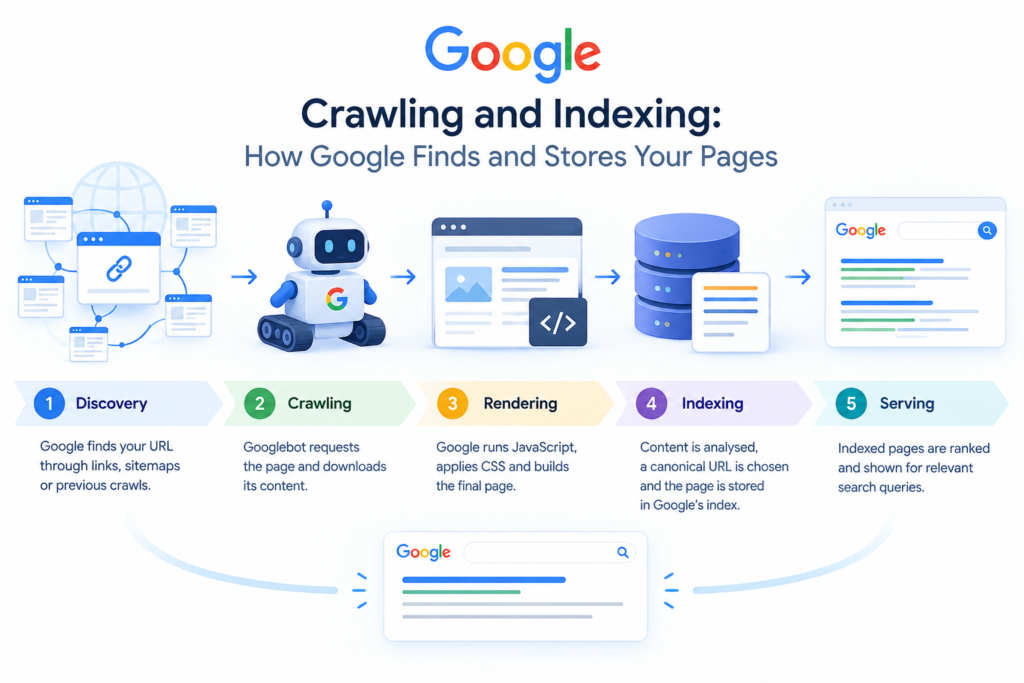
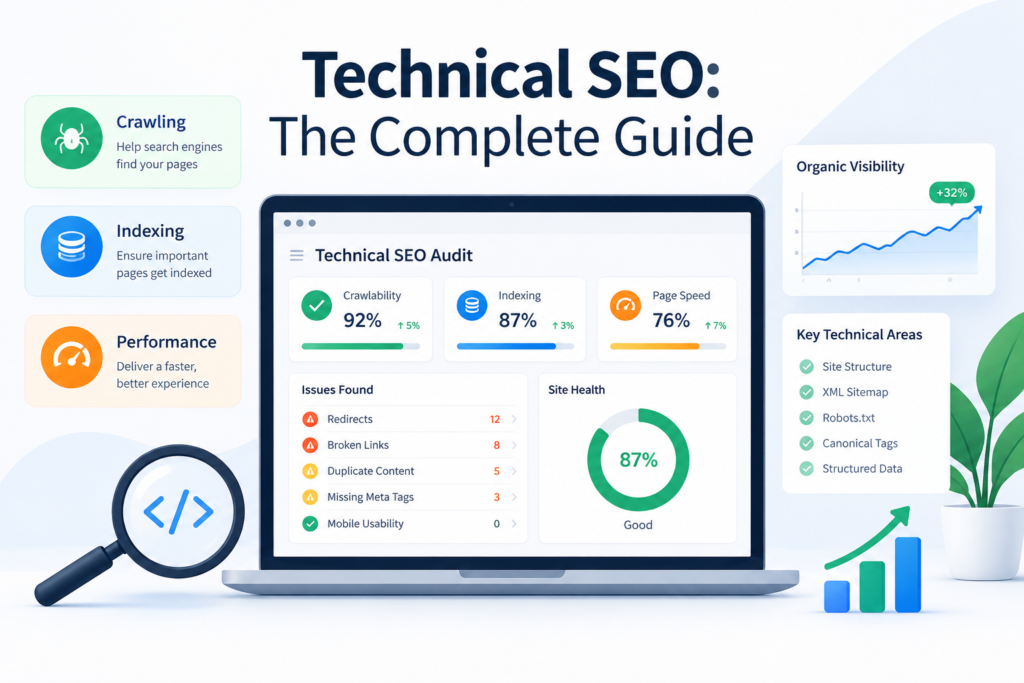
A site with slow load times, broken indexing, or duplicate content will suppress SEO ROI regardless of how much content gets published on top of it. Technical debt is often the multiplier businesses underestimate crawlability and indexation issues quietly cap how much of your published content can even be found and ranked.
Content Quality and Search Intent
Content that answers the actual question behind a search converts; content written only to include a keyword does not. This is one of the most direct levers over SEO ROI available to any business, and it costs nothing extra to get right it simply requires writing for the reader first and the algorithm second.
Local SEO for UAE Markets
For businesses serving Dubai, Abu Dhabi, or the wider UAE, local search signals an accurate Google Business Profile, location-specific landing pages, and area-relevant reviews directly affect how much of that traffic value ever reaches the business. A UAE company competing only on national or global keywords, while ignoring local intent, typically leaves a meaningful share of achievable SEO return on investment on the table.
SEO ROI vs. PPC ROI: Which Delivers Better Long-Term Value?
Paid search delivers traffic immediately, but that traffic stops the moment the budget pauses. SEO ROI compounds instead: a page that ranks well in month eight can continue generating free clicks in month twenty with no additional spend, which is why the cost-per-acquisition curve for SEO tends to fall over time while PPC’s stays roughly flat.
This does not make PPC worthless; the two channels serve different purposes, and many UAE businesses run both together, using paid search for immediate demand while organic authority is still being built. But when a business asks is SEO worth it compared with paid alternatives over a 12-to-24-month horizon, the compounding nature of organic search is usually the deciding factor.
Common Mistakes That Sink SEO Return on Investment
Even well-funded SEO programs can underperform when a few avoidable mistakes creep in:
- Judging SEO ROI after 60 or 90 days, before the channel has had time to mature
- Optimizing for search volume instead of buyer intent, which inflates traffic without inflating revenue
- Neglecting technical fundamentals while investing heavily in content
- Comparing your SEO return on investment to a generic global average rather than to businesses in your own industry and market
- Treating content as a one-time project instead of an ongoing asset that needs updates as search results evolve
How One Conversion Helps UAE Businesses Maximize SEO ROI
One Conversion works with UAE businesses to build the technical foundation, content strategy, and measurement framework needed to track SEO ROI accurately from month one rather than estimating it after a year has already passed. That includes setting up proper conversion tracking, aligning content with genuine local search intent, and reporting on the metrics that actually answer is SEO worth it for your specific business, rather than industry-wide averages that may not apply to your market or margins.
FAQs
1. Is SEO worth it for a small business?
Usually yes, provided there is genuine search demand for what the business sells and enough runway typically six months or more to let rankings build. Small businesses often see strong SEO ROI precisely because they are competing for narrower, less contested local keywords.
2. How do you calculate SEO ROI?
The standard formula is (Value of Organic Traffic − Cost of SEO) ÷ Cost of SEO × 100. Traffic value can be estimated using equivalent paid-search cost, or, once tracking is in place, actual revenue attributed to organic visitors.
3. What is a good SEO ROI?
Benchmarks vary by industry, but a median return across sectors is often cited around 748%, with high-value categories like real estate and financial services exceeding 1,000% and more competitive categories landing closer to 200–300%.
4. How long does it take to see SEO ROI?
Most businesses see limited results in the first three months, meaningful growth between months four and twelve, and compounding returns beyond a year. B2B and SaaS companies often reach breakeven around month seven.
5. Is SEO or PPC better for ROI?
PPC delivers faster, more immediate traffic but stops the moment spending stops. SEO takes longer to build but compounds over time, generally producing a stronger long-term SEO ROI. Many businesses use both channels together.